Bob Bradley
The quiet architect who steered the Stars and Stripes to the 2010 World Cup knockout round.

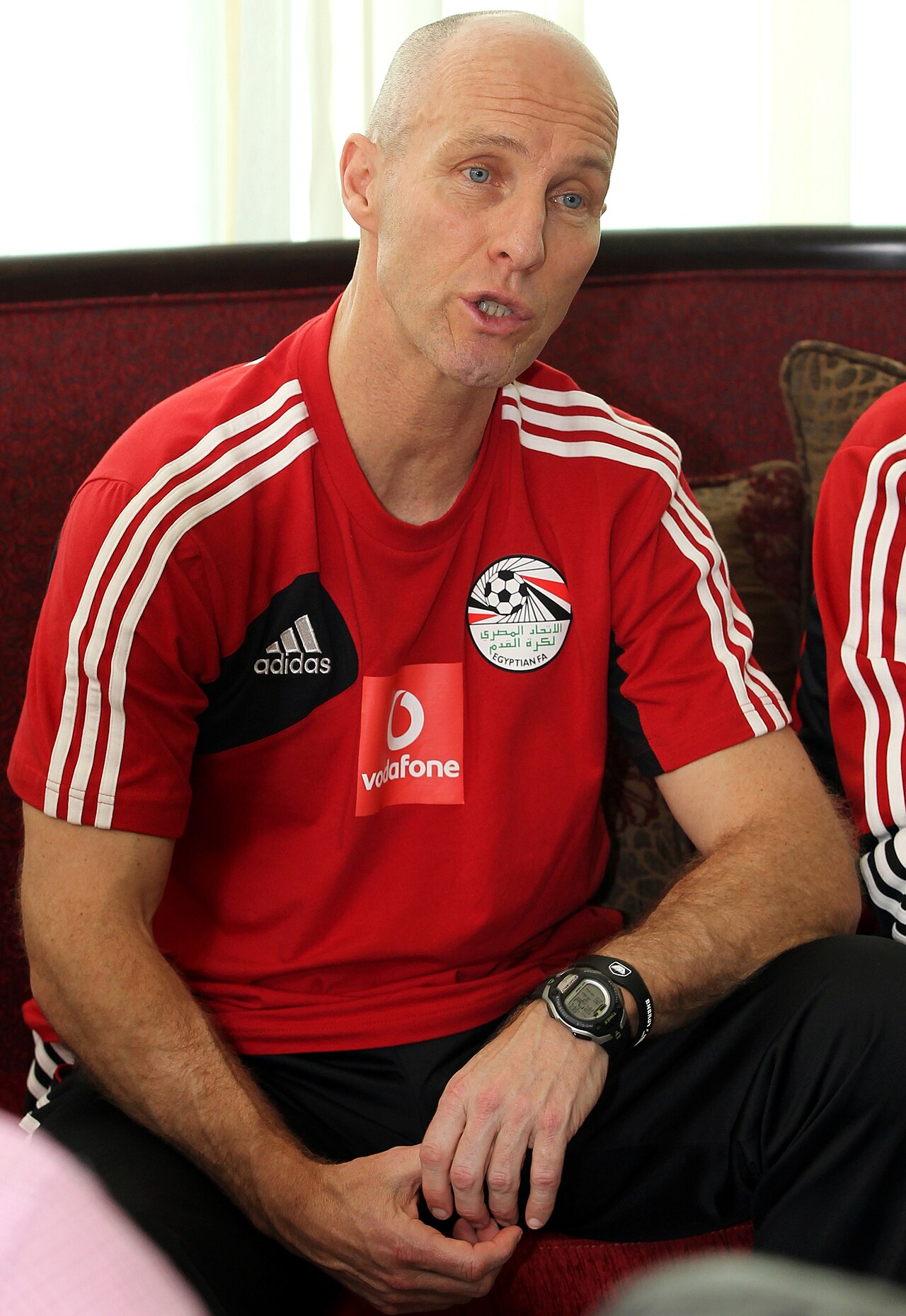
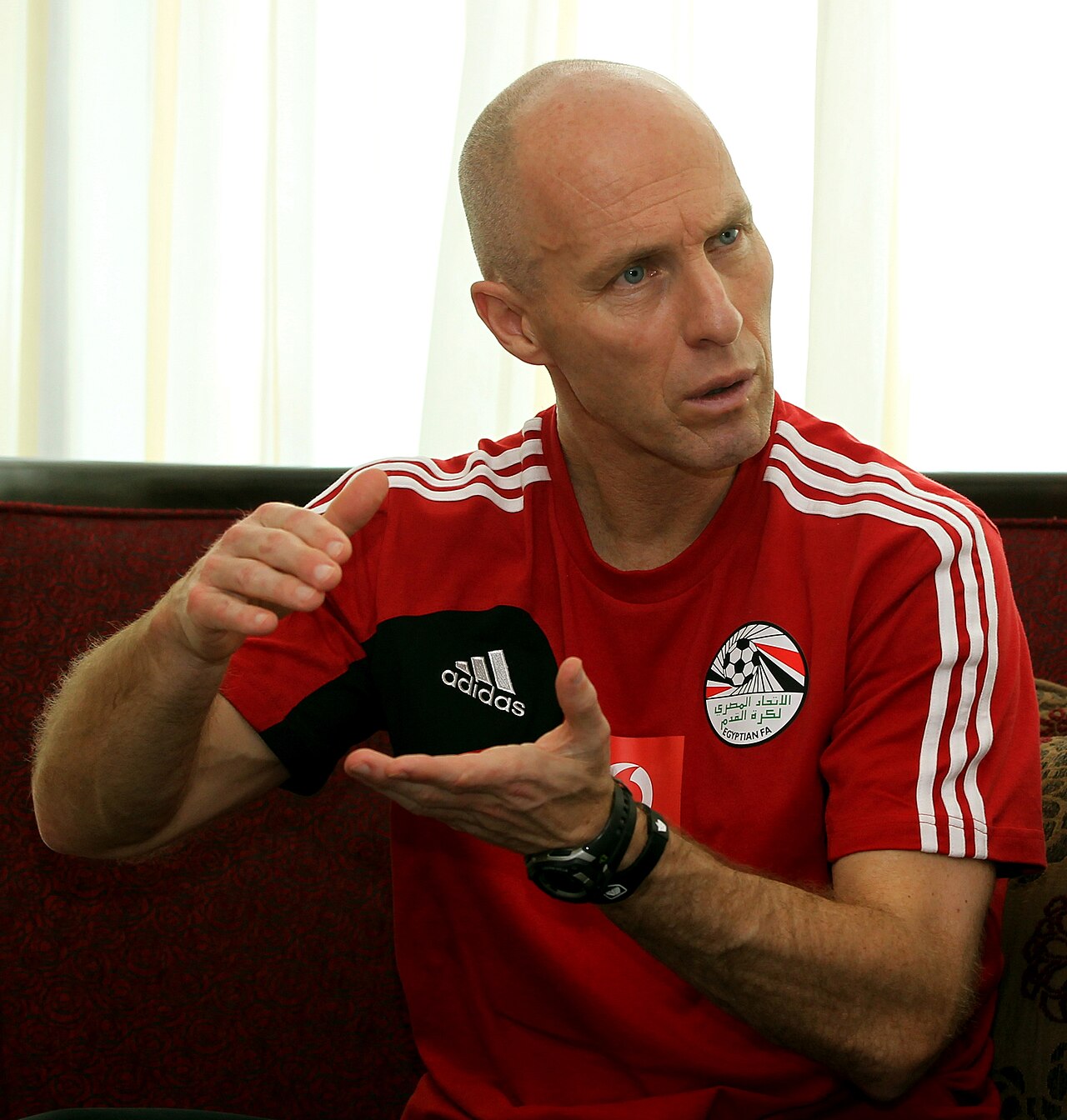
Doha Stadium Plus Qatar · CC BY 2.0
Bob Bradley is an American soccer figure best known for his tenure as head coach of the United States Men's National Team from 2007 to 2011. A former collegiate player at Washington University in St. Louis and a long-time figure in American soccer administration, Bradley brought a notably calm, analytical, and methodical temperament to the national team bench during a transitional era for U.S. soccer. His most defining achievement was guiding the U.S. to the 2010 FIFA World Cup in South Africa, where the team reached the Round of 16 before falling to Ghana 2-1 in extra time. Bradley's era is remembered for a shift toward greater structural discipline, an emphasis on set pieces, and a squad that blended established stars like Landon Donovan and Tim Howard with a new generation of players emerging from MLS and European clubs.
- Role
- Head Coach, United States Men's National Team
- Tenure
- 2007 – 2011
- Major Tournament
- 2010 FIFA World Cup (Round of 16)
- Pre-USMNT Club
- MetroStars (MLS)
- Playing Background
- College soccer, Washington University in St. Louis
- Notable Players Managed
- Landon Donovan, Tim Howard, Clint Dempsey
Verified Timeline
Lore & Background
Bob Bradley arrived at the USMNT in 2007 at a moment when American soccer was hungry for stability after the high-profile Bruce Arena years. Where Arena had been a fiery, media-savvy presence, Bradley offered something different: a soft-spoken, spreadsheet-minded coach who preferred to talk in systems rather than slogans. His background in MLS management and his long administrative career in American soccer gave him an institutional fluency that older European-style tacticians sometimes lacked. The 2010 World Cup cycle became the defining arc of his tenure. national-team history, a 1-1 draw that felt like validation for a generation of players who had grown up watching the sport from the outside. The Round of 16 clash with Ghana, decided 2-1 in extra time after a tense 1-1 draw, left a bittersweet residue that fans still discuss a decade later. Bradley's post-match composure—shaking hands, offering measured remarks—contrasted sharply with the raw emotion of the players and became emblematic of his coaching identity. His departure in 2011 came after reaching the Gold Cup final, as the federation sought a new direction. Bradley was not a controversial figure; he simply did not produce the silverware the federation and its fans increasingly demanded. His legacy is that of a steady hand in turbulent times, a coach who professionalized the day-to-day operations of the national team even as the results plateaued.
In Their Own Story
Bradley stood at the touchline in his navy coach's jacket, arms loosely crossed, watching Donovan line up the free kick. Around him, the coaching staff murmured set-piece calls. Bradley said nothing. He had run this exact scenario a hundred times in the training ground, the ball placed at the same angle, the wall at the same distance. He watched Donovan strike it, watched it curl just inside the post, and felt the stadium detonate. For three seconds he did not move. Then he turned to his assistant, nodded once, and walked back to the bench. The England players stared at the net. Bradley stared at the scoreboard. One. Zero. He had his answer, and he would not need to say a word for the rest of the match.
Reader's Guide
Bob Bradley inherited a national team that had tasted World Cup success under Arena but was now in a rebuilding phase, with a new generation of players coming through MLS and the European leagues. He installed a structured, possession-oriented system that prioritized positional discipline, set-piece routines, and a compact defensive shape. His tactical fingerprint was less about flashy transitions and more about controlling tempo, winning second balls, and exploiting corners and free kicks with rehearsed precision. His best moment came in the 2010 World Cup group stage, where the U.S. The squad responded well to Bradley's calm authority; players like Donovan, Howard, and Dempsey thrived in a system that gave them clear roles without micromanaging their creativity. His worst moments came in the knockout rounds and in continental competition, where the team struggled to break through. The penalty-shootout loss to Ghana in the Round of 16 encapsulated the era: close, competitive, but ultimately one step short. The squad's response to Bradley's methods was generally positive—players respected his preparation and his respect for their individuality—but the results in the Gold Cup and friendlies grew thinner as the tenure wore on. Bradley left in 2011, his contract effectively ending amid a federation search for a more aggressive, results-driven profile. He departed without acrimony, leaving behind a national team infrastructure that was more organized, more data-informed, and more professional in its daily operations than it had been a few years prior. His personality—quiet, patient, almost academic—made him a coach who players trusted but rarely celebrated in the locker room. He was the coach you called when you needed the ship to stay steady, not the one who would make it sail faster.
Did You Know?
- Bob Bradley's 2010 World Cup group-stage draw with England (1-1) was the first time the U.S. had earned a point against England in a competitive match since 1950.
- Before managing the USMNT, Bradley spent years in MLS, including a stint as head coach of the MetroStars, giving him deep familiarity with the domestic league's player pool.
- Bradley was a collegiate soccer player at Washington University in St. Louis, a program with a strong tradition in American college soccer, before moving into coaching and administration.
- His calm, almost detached demeanor on the touchline became a defining visual of the 2010 World Cup, contrasting sharply with the emotional intensity of the players.
Gallery

Frequently Asked Questions
Who was Bob Bradley in relation to the USMNT?
Bob Bradley served as head coach of the United States Men's National Team from 2007 through 2011, bringing a measured, data-driven approach to a squad in a period of significant transition. He was widely recognized for his calm, low-drama demeanor on the sideline and his strategic, analytical mindset.
What was Bob Bradley's biggest accomplishment with the USMNT?
His signature moment came at the 2010 FIFA World Cup in South Africa, where he guided the team into the Round of 16 knockout stage. The run ended with a penalty-shootout defeat to Ghana, but reaching that round was a high-water mark for American soccer at the time.
What was Bob Bradley's background before taking over the USMNT?
Prior to his national-team appointment, Bradley managed the Vancouver Whitecaps in Major League Soccer. His playing career was spent in college soccer at Washington University in St. Louis, and he had a long history working in American soccer administration.
Which star players did Bob Bradley manage during his tenure?
His squad featured several high-profile talents, including Landon Donovan, Tim Howard, Clint Dempsey, and Fabian Johnson. These players formed the backbone of the roster he steered through the 2010 World Cup cycle.
Why do fans still talk about Bob Bradley's era?
Bradley is remembered as the steady architect who navigated a rebuilding period and delivered the team to the knockout rounds of a World Cup. His methodical, low-drama style contrasted sharply with the more emotional tenures that came both before and after his time in charge.
More in Managers & Coaches
Related in United States Mens National Team
Links follow this subject's own source article.
Elsewhere in the United States Mens National Team universe
Spotted an error? Know more?
This is a living reference — every entry is fact-audited, and reader corrections feed straight into our audit queue. Suggest an edit · See this site's audit record